How Tooth Position Influences Porcelain Veneer Planning
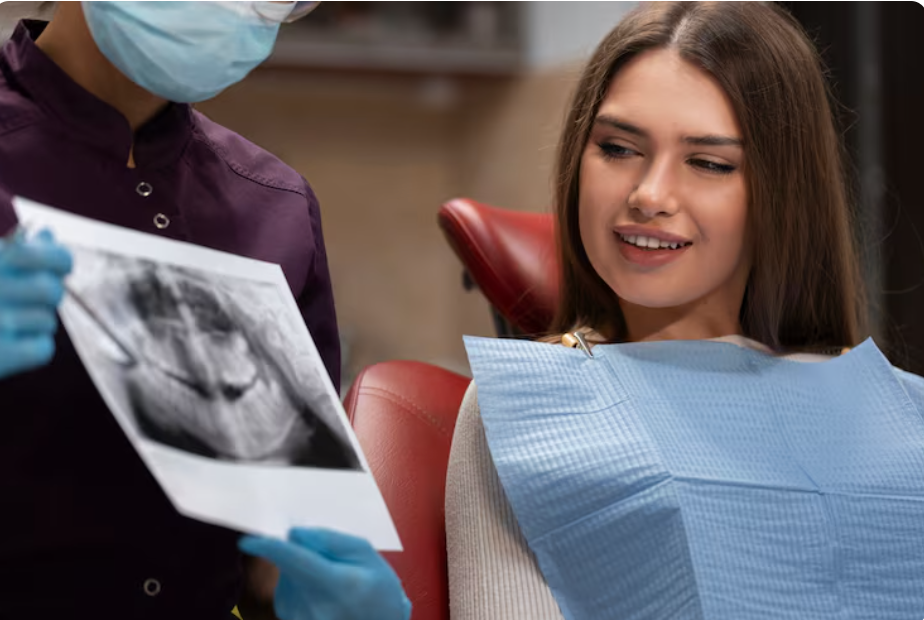
The success of porcelain veneers extends beyond color and shape, offering a versatile way to achieve a stunning, natural-looking smile. One of the most important aspects of veneer planning is tooth position. The alignment, rotation, spacing, and angulation of your teeth directly influence the design and long-term performance of veneers. For those searching online, finding porcelain veneers near me Glasgow ensures access to skilled dentists who can create a personalized treatment plan for optimal results.
Here’s how tooth position impacts porcelain veneer planning:
1. Alignment and Rotation Matter
Teeth that are slightly out of alignment or rotated may appear uneven or interfere with bite function. Before making veneers, dentists carefully evaluate these positions. To ensure that veneers fit precisely and appear natural, minor orthodontic therapy or tooth preparation changes may occasionally be required. In order to prevent gaps or bulky edges, proper alignment guarantees that the finished veneers sit flush with the surrounding teeth.
2. Spacing and Crowding Affect Design
Crowding or gaps (diastemas) can affect veneers' technical design as well as their appearance. Veneers can be made somewhat broader to fill in gaps in teeth while preserving natural proportions. Conversely, crowded teeth could just need little contouring or selective orthodontics to make room for the right veneer installation. Veneers won't appear artificial or "overbuilt" if tooth space is taken into consideration.
3. Angulation Impacts Veneer Fit
The way a veneer sticks to a tooth's surface depends on its tilt or angulation. In order to produce a suitable connection, teeth that tilt forward or backward may require meticulous preparation. Because veneers are thin, they must be precisely adapted to the surface of the tooth. A long-lasting, durable outcome is ensured by careful angulation planning, which also serves to reduce stress on the veneer.
4. Bite and Occlusion Considerations
When you bite or chew, the position of your teeth affects how they meet (occlusion). Uneven pressure, early wear, or even veneer fractures might result from placing veneers without taking bite relationships into account. In order to guarantee that veneers restore both aesthetic and functional harmony, dentists thoroughly examine the bite.
5. Smile Line and Facial Symmetry
The way the grin line interacts with lips and facial features is also influenced by the position of the teeth. Veneers are designed to preserve symmetry and blend in with the smile's natural curvature. Veneers or pre-treatment orthodontics can correct misaligned teeth to create a beautiful and balanced smile.
6. Customized Planning for Each Patient
Veneer planning always takes into account the particular tooth locations because every mouth is different. Dentists can model the final result using sophisticated techniques like digital smile design (DSD) and 3D imaging. This guarantees that veneers will match the patient's bite, tooth position, and facial features precisely in addition to having an attractive appearance.
Conclusion
For porcelain veneers to be successful, tooth position is essential. The design, preparation, and placement of veneers are influenced by alignment, spacing, angulation, and bite relationships. Dentists may make veneers that are not only aesthetically pleasing but also practical, long-lasting, and harmonious with the complete smile by carefully assessing tooth position. Planning ahead guarantees that the veneers improve long-term oral health and attractiveness, giving patients a self-assured, natural-looking smile.